Deep Work Routine for Beginners: A Practical Starter Guide
The concept of “deep work”—defined as distraction-free, high-concentration cognitive activity that pushes your mental capabilities to their limit—has become a vital professional skill. Yet, most people who attempt to build a deep work routine make a fundamental mistake: they try to jump directly from a highly distracted schedule into four consecutive hours of intense isolation.
Focus is a cognitive muscle. If you haven’t trained it, attempting an exhaustive deep work session right away causes intense mental fatigue and frustration.
For a beginner, the secret to building a sustainable deep work routine isn’t starting big. It is about creating low-friction environmental triggers and slowly expanding your attention span over time. Here is an actionable framework to get you started.
The Beginner’s Deep Work Roadmap
To build focus stamina safely without burning out, treat your deep work sessions like physical training blocks. Focus on setting clear boundaries, starting with manageable milestones, and prioritizing recovery.
Selecting Your Deep Work Philosophy
Not everyone has the flexibility to structure their days identically. Depending on your professional role and calendar freedom, choose the workflow scheduling model that fits your lifestyle:
-
The Bi-Modal Strategy: Splitting your week explicitly. For instance, dedicating the entirety of Mondays and Tuesdays to isolated project development, while leaving Wednesdays through Fridays open for meetings, client check-ins, and collaborative administrative updates.
-
The Rhythmic Strategy: The most effective approach for beginners. You commit to an identical block of deep concentration at the exact same time every single day (e.g., 8:30 AM to 9:30 AM). This consistent timing turns focus into a natural habit, reducing the reliance on raw willpower.
-
The Journalistic Strategy: Inserting short focus windows into your schedule dynamically whenever an unexpected opening appears. This model requires a high level of mental agility and focus tools, making it tough for beginners to manage consistently.
Tracking and Scaling Your Attention Capacity
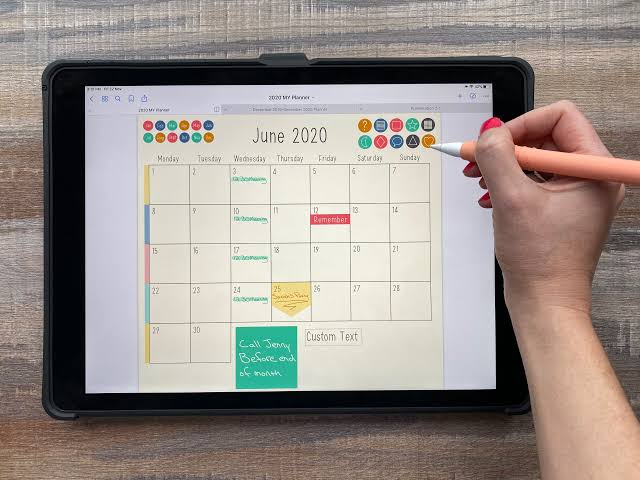
Keep a simple physical calendar or tracking document to log your completed deep work sessions. Simply mark the date and note the total distraction-free minutes you achieved.
The Power of Visible Progress: Documenting your successful focus streaks provides a clear visual reward, reinforcing the identity shift from a reactive worker to an intentional producer.
Once you can easily maintain a 45-minute focus session for four consecutive days without feeling restless or looking for distractions, increase your target timer by 10 minutes. By pacing your progress gradually, you will find that within a few weeks, a deep work routine transforms from a taxing mental effort into a rewarding and natural part of your professional day.
External Source Suggestions
-
Cal Newport – Deep Work: Rules for Focused Success in a Distracted World:
[calnewport.com/books](https://calnewport.com/books)(To reference the foundational behavioral models and definitions of deep work philosophies). -
American Psychological Association – Cognitive Processing and Multi-tasking Limits:
apa.org(To reference scientific consensus regarding the high cost of task-switching for beginners). -
Stanford University School of Medicine – Neural Attention Mechanics:
med.stanford.edu(To cross-reference physiological data concerning prefrontal cortex recovery during non-digital break intervals).