How to Stay Focused at Work: A Practical Deep Work Framework
Losing focus at work is rarely a simple failure of willpower. Modern professionals operate in highly fragmented digital environments specifically engineered to capture attention. Between desktop notifications, team chat applications, unexpected meetings, and the internal urge to context-switch, the average professional shifts tasks every few minutes, incurring a massive cognitive penalty known as “attention residue” each time.
When you transition from a primary task to check a brief email or notification, a portion of your active working memory remains anchored to that secondary subject. Rebuilding full concentration on your original work can take up to twenty minutes. To protect your attention, you need to move away from reactive discipline and transition toward a structured, intentional workflow framework.
1. Establish Structural Boundaries for Digital Communication
The most efficient way to maintain focus is to remove the daily temptations that trigger distraction before they reach your desk. Relying on willpower alone creates cognitive fatigue; modifying your digital landscape removes the friction entirely.
-
Batch Communication Windows: Continuous reactive monitoring of your inbox keeps your nervous system in a state of low-level anxiety. Instead of keeping your email client open all day, schedule two or three dedicated 30-minute blocks to process messages. Outside of these windows, close the application completely.
-
Leverage Hard Digital Blocks: When entering a deep work session, use localized system profiles or dedicated website blockers to restrict access to non-essential domains and personal communications.
-
Physical Device Separation: Research indicates that the mere visual presence of a smartphone reduces available cognitive capacity, even if the device is turned off. During high-priority work blocks, place your phone in another room or out of arm’s reach inside a desk drawer.
2. Structure the Workday Around Attention Cycles
The human brain cannot maintain peak cognitive intensity indefinitely. Attention naturally fluctuates throughout the day based on biological rhythms and accumulated cognitive load.
The Deep Work Match Matrix
To optimize your energy, categorize tasks into distinct operational categories and schedule them to match your natural mental agility.
┌────────────────────────────────────────────────────────────────────────┐
│                        DAILY FOCUS ALLOCATION                          │
└────────────────────────────────────────────────────────────────────────┘
        │                                                       │
        ▼                                                       ▼
┌───────────────────────────────┐               ┌───────────────────────┐
│     PEAK COGNITIVE WINDOW     │               │ REACTIVE & LIGHT WORK │
│      (First 2-3 Hours)        │               │  (Afternoon Slump)    │
├───────────────────────────────┤               ├───────────────────────┤
│ • Long-form writing           │               │ • Routine emails      │
│ • Complex problem solving     │               │ • Expense reporting   │
│ • Strategic planning          │               │ • Administrative logs │
└───────────────────────────────┘               └───────────────────────┘
By dedicating the initial hours of your workday to your most demanding assignments before opening communication channels, you leverage your highest state of mental clarity.
3. Implement Time-Blocking Protocols
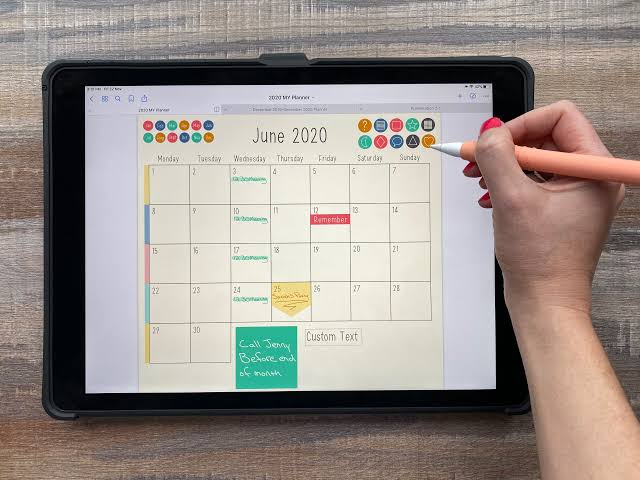
Vague intentions like “I will work on the project this afternoon” often lead to procrastination. Time-blocking converts general intentions into fixed, bounded calendar events.
Two time-management styles work exceptionally well, depending on task complexity:
-
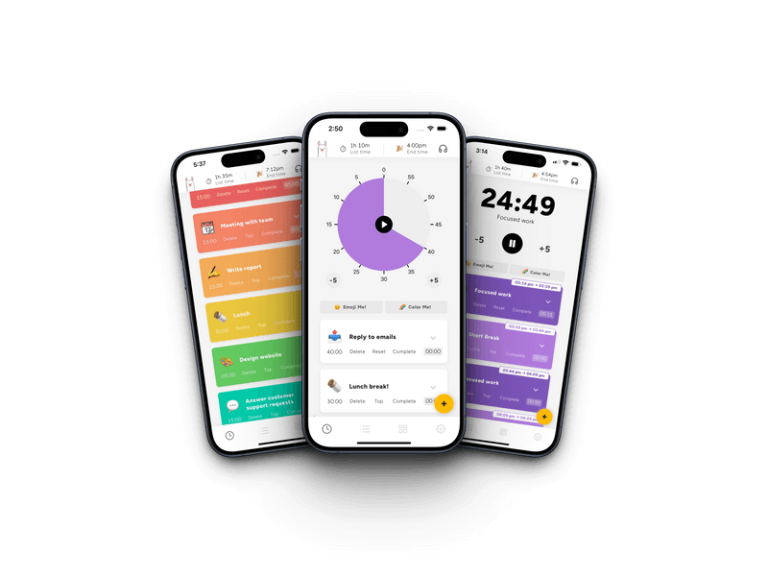
The Pomodoro Technique: Work with absolute focus for 25 minutes, followed by a 5-minute restorative break. After completing four cycles, take a longer 15 to 30-minute break. This approach is ideal for clearing high-volume, repetitive tasks or overcoming initial resistance to a project.
-
Ultradian Rhythm Blocks: For deep analytical work, expand your focus windows to 50 or 90 minutes, followed by 10 to 15 minutes of complete mental rest. This model aligns with the body’s natural cognitive processing cycles.
Regardless of the length of the block you choose, the rule remains identical: during that specific window, you focus on one singular task. Multitasking is a neurological illusion; the brain is simply switching rapidly between tasks, draining its glucose reserves and lowering overall output quality.
4. Utilize Active Intermission Strategies
What you do during your rest periods is just as critical as what you do during your focus sessions. A proper break should allow the prefrontal cortex—the area of the brain responsible for focus and decision-making—to rest and recover.
-
Avoid Digital Consumption Breaks: Swapping your work browser tab for a social media feed or news article does not rest your brain. It continues to consume visual and cognitive processing power.
-
Incorporate Physical Movement: Step away from your desk. Walking down a hallway, stretching for two minutes, or steping outside for fresh air increases blood flow and oxygen delivery to the brain, restoring cognitive control fast.
-
Maintain an External Distraction List: Keep a physical notepad next to your keyboard. When an unrelated personal errand or random thought enters your mind mid-task, quickly write it down to clear it from your working memory, then immediately return to your primary objective.
Designing a Sustainable Routine
Sustaining focus is an iterative process. Environmental adjustments, structured time blocks, and intentional rest periods create a reliable framework that protects your attention from external distractions. Rather than attempting to overhaul your entire workday immediately, choose a single workflow shift—such as batching email processing or applying a 50-minute deep work block—and practice it consistently for a week. Build from that foundation to design a quiet, highly productive, and sustainable work routine.
D. Internal Link Suggestions
-
Suggested anchor text: Explore tools that may help
-
Recommended target article: https://mindfocus.uclfootball.com/focus-app-vs-website-blocker/
-
Reason for the link: Guides a highly motivated reader from behavioral focus advice to the software ecosystem that enforces those habits.
-
-
Suggested anchor text: website blockers during deep work
-
Recommended target article: https://mindfocus.uclfootball.com/best-time-tracking-app-for-freelancers/
-
Reason for the link: Connects a specific tactical recommendation in the text to a detailed, medium-intent comparison page.
-
-
Suggested anchor text: deep-work routines
-
Recommended target article: https://mindfocus.uclfootball.com/notion-alternatives-for-productivity/
-
Reason for the link: Provides an internal bridge to broad Category 1 revenue pieces for professionals looking to optimize their workflow architecture.
-
E. External Source Suggestions
-
American Society of Interior Designers (ASID) Workplace Research:
asid.org(To cross-reference environment and ergonomics data regarding workplace focus factors). -
Gloria Mark, University of California, Irvine – Attention Span Studies:
ics.uci.edu(To reference core research tracking workplace interruptions and cognitive recovery rates). -
Cal Newport – Deep Work Methodology:
[calnewport.com/books](https://calnewport.com/books)(To reference established organizational theories surrounding attention residue and cognitive fatigue).