Best Sounds for Concentration: The 2026 Focus Guide
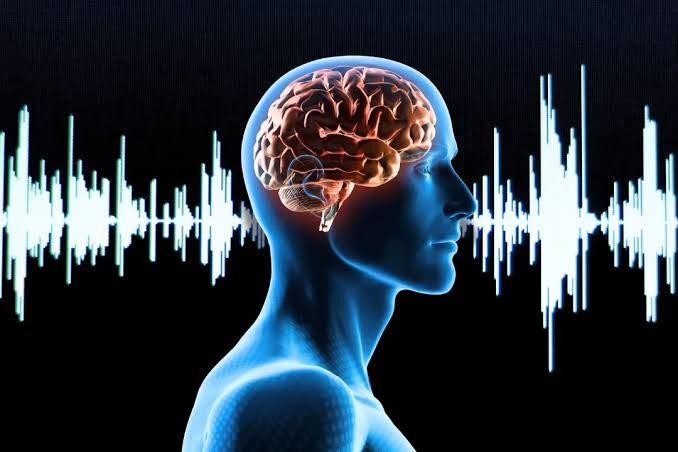
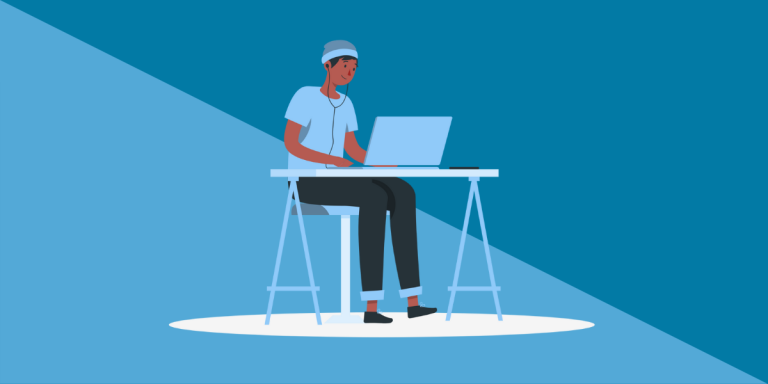
Maintaining sharp cognitive focus in a modern workspace is an uphill battle against sensory input. Every sudden phone alert, keyboard clatter, or snippet of nearby conversation triggers an involuntary attention shift in the human brain. This continuous fragmentation of attention creates attention residue, leaving your prefrontal cortex drained before you even reach your mid-day milestones.
Many professionals throw on their favorite music albums to drown out the noise. However, music with rich melodies or familiar lyrics often forces a difficult trade-off: your language-processing center activates to track the song, meaning your brain is quietly multitasking behind your back.
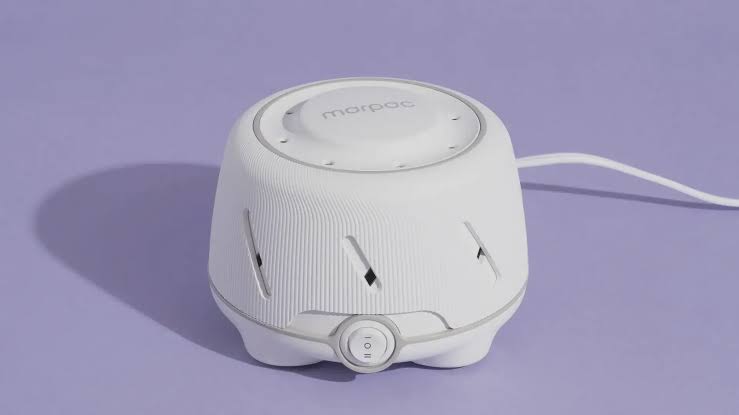
True focus optimization requires auditory masking—using continuous, uniform sound frequencies to decrease the contrast between unpredictable environmental disruptions and the background workspace.
By flattening this sensory contrast, the brain stops reacting to peripheral sounds, allowing you to sustain concentration for hours. Here is an objective, science-backed framework to help you find the best focus sounds for your specific workflow.
The Auditory Masking Architecture: The “Colors” of Noise
Engineered noise profiles are split into distinct frequency distributions. Understanding how they operate mechanically allows you to select the right defensive tool for your specific environment.
┌────────────────────────────────────────────────────────────────────────┐
│                        FREQUENCY DENSITY ARCHITECTURE                  │
└────────────────────────────────────────────────────────────────────────┘
  [White Noise] ──► Equal energy across all pitches (High Hiss/Static)

  [Pink Noise]  ──► Deepened bass, balanced mids (Steady Rain/Wind)

  [Brown Noise] ──► Maximized low rumble, minimal hiss (Waterfall/Thunder)
1. Brown Noise: The Deep Blanket for Extended Deep Work
Brown noise (or Brownian noise) drops its power significantly as the frequency climbs. The high frequencies are heavily turned down, while the low end is boosted, creating a deep, warm rumble that sounds like a distant waterfall or a strong, low wind.
-
The Advantage: It is exceptionally gentle on the auditory system. The heavy low-frequency architecture provides an absolute acoustic shield against deep rumblings like heavy traffic or neighbor bass loops, without causing the ear fatigue that can happen with brighter static sounds.
-
Best Used For: High-intensity deep work blocks lasting more than two hours, complex logical programming sessions, and technical data architecture projects.
2. Pink Noise: The Natural Balance for Structural Learning
Pink noise strikes a balanced middle ground, dropping power at a steady, moderate rate as frequencies rise. It mimics many natural systems, perfectly replicating sounds like a steady rain shower on a roof or wind rushing through thick leaves.
-
The Advantage: Recent cognitive studies indicate that pink noise interacts exceptionally well with memory encoding and information retention. It covers human speech frequencies efficiently while keeping high-end harshness low.
-
Best Used For: Multi-hour textbook study blocks, memorizing professional exam decks, reviewing extensive corporate summaries, and long writing sprints.
3. White Noise: The High-Intensity Deflection Shield
White noise features perfectly equal energy distribution across every audible frequency pitch simultaneously. This sounds a lot like structural TV static or a hissing fan.
-
The Advantage: It is the absolute maximum defensive shield against sudden, high-pitched interruptions like nearby laughter or phone rings. For individuals whose baseline brain states thrive under moderate external stimulation—a process known as stochastic resonance—white noise can pull focus up to optimal levels.
-
The Downside: All that high-frequency energy can feel quite sharp. If played too loudly or for too long, it can cause early mental fatigue.
-
Best Used For: Short, high-speed administrative cleanups in chaotic open offices or loud coffee shop environments.
Task-Based Acoustic Matching Matrix
To get the most out of your sound routine, match the style of sound directly to the mental demands of your current task.
| Task Demands | Best Auditory Match | Core Function | Recommended Output Level |
| Deep Analysis & Math | Clean Brown Noise | Maximum masking, zero processing drag | Low to Moderate (35–45 dB) |
| Reading & Reviewing | Steady Rainfall (Pink Noise) | Calming, avoids competing with verbal thoughts | Moderate (45–55 dB) |
| Creative Brainstorms | Ambient Coffee Shop Drones | Mild unpredictable sounds lift abstract thinking | Moderate (50–60 dB) |
| Data Entry & Admin | Unfamiliar Lo-Fi Instrumentals | Maintains steady workspace momentum | Moderate (40–50 dB) |
Tactical Framework: Structuring Your Acoustic Routine
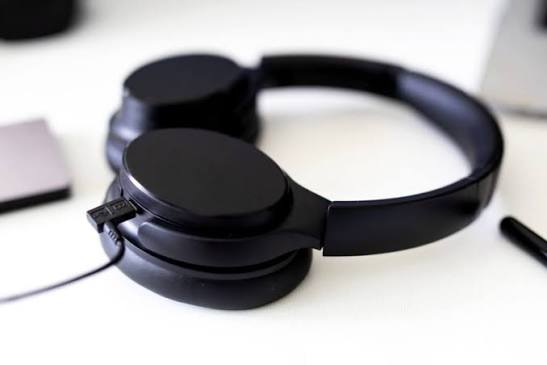
To ensure your focus sounds work effectively without creating sensory overload, implement this step-by-step workspace audio plan:
By treating your soundscape as a deliberate workspace tool rather than random background noise, you turn your headphones into a highly functional focus shield. Use deep, low-frequency tones to anchor your attention during intense analytical projects, and leverage balanced, natural pink noise paths to protect your memory retention during heavy learning blocks.
External Source Suggestions
-
Frontiers in Human Neuroscience – Pink Noise Memory Tracking:
frontiersin.org(To cross-reference clinical research connecting sound frequencies to cognitive consolidation metrics). -
Stanford University Cognitive Neuroscience Laboratory:
neuroscience.stanford.edu(To reference data showing the impact of functional acoustic masking architectures on attention span maintenance). -
Journal of Child Psychology and Psychiatry – Stochastic Resonance Profiles:
acamh.onlinelibrary.wiley.com(To verify data checking cognitive task metrics against white and brown background frequencies).