Best Ambient Sound Apps for Studying (2026 Comparison)
Setting up a productive study environment requires managing more than just your physical desk or laptop tabs. In a world full of digital notifications, constant messages, and unpredictable household or library noises, your brain is forced to continuously defend its attention. Every sudden background sound—a heavy footstep, a distant conversation, or a phone alert—triggers an automatic shift in attention, pulling your prefrontal cortex away from your work and draining your mental energy.
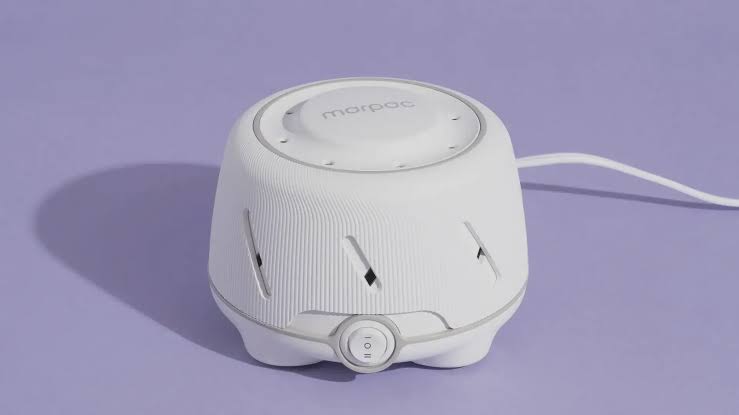
To shield their workspace, millions of students and remote professionals use ambient sound apps for studying. By leveraging the principles of acoustic masking, these applications provide a steady, uniform blanket of sound that covers unpredictable room noises.
However, because the digital audio marketplace is incredibly crowded, it is easy to spend more time adjusting sliders, skipping tracks, and scrolling through playlists than actually learning.
Here is an objective evaluation of the best ambient focus applications available today, broken down by their core design strengths and functional trade-offs.
The Ambient Study Audio Matrix
An efficient sound routine matches the software’s capabilities to your exact cognitive needs and study schedule.
| Application | Primary Audio Approach | Customization Level | Best Used For | Pricing System |
| myNoise | Multi-slider sound laboratory | Extremely High (Adjustable sliders) | Masking complex, highly specific room noises | Free / Donation unlocked presets |
| Brain.fm | Neuroscience-engineered music | Low (Selectable focus states) | High-load analytical deep work sessions | Paid monthly/annual subscription |
| Noisli | Clean ambient sound mixer | Medium (Layered nature grids) | Quick setup for everyday administrative tasks | Subscription tiers |
| Endel | Adaptive AI generative audio | None (Automated interface) | Context-driven fluid workspaces | Paid tier with limited trial |
Detailed Evaluation of Top Ambient Sound Apps
myNoise: The Ultimate Sound Laboratory
Available both in-browser and as a mobile app, myNoise is highly respected for its deep sound customization features. Unlike simple audio files, it breaks down soundscapes into ten individual volume frequency sliders.
The Advantages: Exceptional control. If you are listening to a rain track but find the high-pitched patter distracting, you can lower the treble sliders while boosting the deep, low rumble of the thunder. This allows you to sculpt a custom frequency profile perfectly calibrated to your specific ears and immediate surroundings.
The Limitations: The advanced web interface can feel visual and complex. It requires manual tweaking to dial in your ideal presets, which can introduce minor technical distractions right when you mean to start a study block.
Brain.fm: The Science-First Focus Engine
Brain.fm shifts away from natural environments (like forests or rain) to deliver what it calls “functional music”—auditory tracks engineered to actively encourage steady attention.
The Advantages: Research-forward design. The platform uses custom audio modulation algorithms to prevent your brain from drifting into daydreams, making it highly effective for intense, high-load analytical thinking. The interface is clean and simple: you choose a target focus state and press play.
The Limitations: The music can sound intensely rhythmic or electronic, which may not appeal to users who prefer organic nature soundscapes. It lacks free long-term access tiers.
Noisli: The Low-Friction Daily Companion
Noisli specializes in providing a curated library of clean, satisfying background loops—such as wind, rustling leaves, coffee shop chatter, and white noise.
The Advantages: Minimalist interface. You simply click a few clear icons to layer sounds together (e.g., combining a soft fan hum with a distant rain loop) and save your custom mix.
The Limitations: The audio files rely on fixed loops. Over extended study blocks, your subconscious mind can pick up the repetitive patterns, leading to early ear fatigue.
Overcoming the “Playlist Trap”: When Apps Fuel Distraction
While these ambient sound applications provide excellent masking utilities, they frequently expose users to a subtle behavioral problem: the endless calibration trap.
┌────────────────────────────────────────────────────────────────────────┐
│                        THE ENDLESS CALIBRATION TRAP                    │
└────────────────────────────────────────────────────────────────────────┘
  [Open Ambient App] ──► Scroll 200+ Options ──► Tweak Frequency Sliders
                                  │
                                  ▼
  [Study Interruption]──► Skip Track mid-session ──► Digital Focus Broken
When an app gives you access to hundreds of soundscapes, sliders, and AI presets, the platform itself becomes a destination for micro-distractions.
If a specific track doesn’t feel perfect three minutes into a difficult math or writing assignment, your natural instinct is to open your device, scroll for a new mix, and tweak your frequencies again.
This keeps your brain stuck in a loop of administrative adjustments, pulling active working memory away from your actual studies.
True baseline concentration requires a shift away from infinite streaming options toward strict, defined auditory protocols. Instead of playing endless background noise that runs continuously for hours, advanced learning strategies leverage short, highly concentrated sound patterns designed to act as an immediate mental transition trigger.
The Brain Song: A Structured 12-Minute Alternative
For individuals who want to skip the complexity of mixing playlists and adopt a focused, science-inspired routine, a digital wellness product called The Brain Song offers a clear alternative.
Affiliate Disclosure
This independent review contains affiliate links. Focuswell may receive a commission if you purchase through these links, at no additional cost to you.
Rather than functioning as background audio designed to stream continuously in the background, The Brain Song is built explicitly as a 12-minute neuroscience-inspired audio routine. Designed around sound patterns associated with Gamma-frequency research concepts, it serves as a fast, low-effort daily ritual to prepare your mind for intense work before you even open your textbooks or code editors.
The core appeal of this productized digital audio experience is its absolute simplicity. It requires:
No pills, powders, or wellness supplements.
No demanding cognitive exercises or complex training protocols.
No lengthy, multi-week mindfulness profiles.
You simply put on a pair of stereo headphones and complete a single 12-minute session at home immediately before tackling mentally demanding projects.
Whether this approach fits your workflow depends entirely on your personal learning style. While open video channels host generic frequency tracks for free, many users find that a dedicated, structured product with clear usage instructions and a vendor guarantee makes it much easier to build a reliable habit trigger.
Individual results with sound tools will always vary based on personal sensitivity and headphone quality. It is not a medical treatment or a clinically proven cognitive booster, but it represents an excellent, low-friction option for anyone looking to build an intentional, science-informed focus ritual.
Medical Disclaimer
The information in this article is provided for general educational purposes and is not medical advice. The Brain Song is a digital wellness product and is not intended to diagnose, treat, cure, or prevent any medical condition. Individual experiences may vary. Consult a qualified healthcare professional about cognitive or neurological concerns.