How Focus Music Affects Concentration: The Neuro-Acoustic Truth
Putting on a pair of headphones before starting a demanding project is a familiar routine for many professionals. In open-plan corporate offices, busy remote workspaces, or busy home environments, audio serves as a primary tool to protect personal attention boundaries.
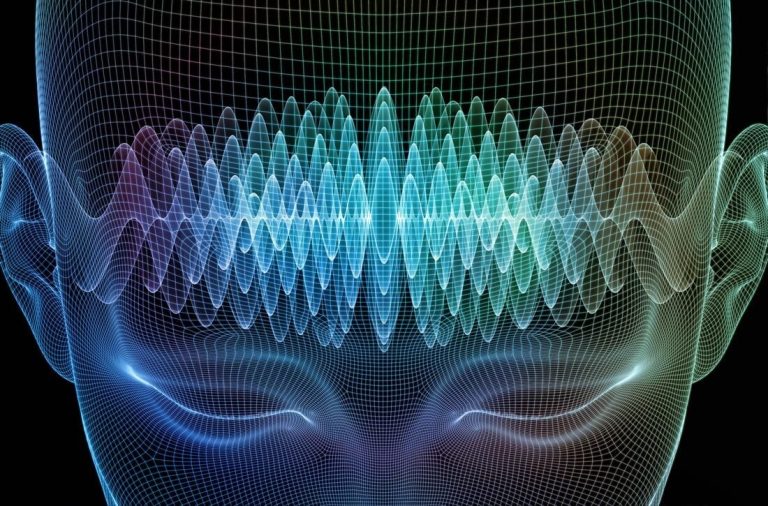
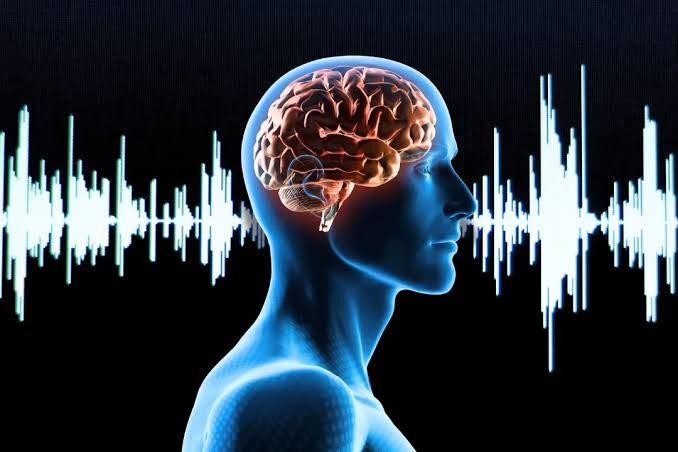
However, most people don’t realize that music choice does more than simply mask external noise. The specific structure of the soundwaves reaching your ears actively shapes how your prefrontal cortex processes information.
Understanding how focus music affects concentration requires moving past casual playlist descriptions and examining the exact behavioral and neurological mechanisms that occur when we work to an auditory beat.
When configured correctly, an intentional sound environment behaves like an invisible focus shield, dropping cognitive strain and preventing the constant task-switching that kills daily productivity.
1. The Shield Mechanism: Auditory Masking
The most immediate reason focus music improves concentration is its ability to flatten the contrast of your physical room. The human auditory system did not evolve to sit in absolute silence; it evolved as an early-warning radar for environmental danger.
When your workspace is perfectly quiet, your brain automatically amplifies its sensitivity. Every sudden keyboard tap, distant door slam, or faint hallway conversation triggers an involuntary attention shift. This sensory interruption incurs a high cognitive penalty known as attention residue, requiring up to twenty minutes to rebuild full depth of focus.
Structured background audio acts as an auditory masking tool. By providing a continuous, predictable blanket of sound frequencies, it fills in the acoustic dips of the room. When a sudden background sound occurs, the change in volume is muted by your music. Because the brain doesn’t detect a sudden sensory threat, your attention remains anchored to your text, code, or strategic plan.
2. The Cognitive Pacing Mechanism: Keeping Your Mind Present
Your brain naturally craves novelty and sensory stimulation. When you sit down to execute a challenging task that requires heavy mental effort, the brain experiences internal resistance. If your workspace lacks a controlled channel for this background energy, your mind will generate its own distractions—prompting you to compulsively check email tabs, look at phone notifications, or drift into unrelated daydreams.
┌────────────────────────────────────────────────────────────────────────┐
│                        COGNITIVE REWARD FILTRATION                     │
└────────────────────────────────────────────────────────────────────────┘
  [Silent, Loud Room] ──► Mind Craves Novelty ──► Compulsive Tab Checking (Focus Fails)

  [Lyric-Free Music]  ──► Satisfies Subconscious ──► Prefrontal Cortex Anchored (Deep Focus)
Lyric-free focus music satisfies this sub-conscious craving for minor novelty without overloading your working memory. It provides a steady, predictable rhythm (ideally between 60 to 90 beats per minute) that keeps your cognitive tempo stable.
However, the golden rule remains absolute: the audio must be entirely free of spoken lyrics. The human brain is hardwired to process language automatically; the moment a song introduces intelligible words, your speech centers activate to translate them, instantly draining the mental energy needed for your work.
3. The Emerging Horizon: Brainwave Frequency Concepts
As neuroscience advances, researchers are exploring how specialized sound frequencies influence cognitive states beyond simple background masking. This field of study, known as brainwave entrainment, investigates whether external rhythmic pulses can encourage matching electrical rhythms inside the brain.
Of particular interest to learning specialists is the Gamma frequency band (30–100 Hz). In general neuroscience research, naturally occurring Gamma-frequency brain activity is frequently studied in relation to high-level information integration, complex memory formation, and sensory perception.
Furthermore, laboratory studies often examine Gamma patterns alongside biological markers like Brain-Derived Neurotrophic Factor (BDNF)—a protein informally described as a key factor in synaptic plasticity and communication between neurons.
While general clinical studies have explored whether auditory stimulation can influence these frequency bands, findings remain mixed and the exact underlying mechanisms are still being actively investigated. Short-term adjustments in brainwave readings vary significantly between individuals and do not automatically translate into guaranteed permanent cognitive improvement.
However, this growing area of research has inspired a shift away from massive, unstructured background playlists toward highly optimized, productized listening routines.
Beyond the Endless Playlist: The Power of Defined Protocols
For many busy professionals, the biggest problem with using standard focus music isn’t the sound itself—it is the administrative drag of managing it. Spending fifteen minutes skipping through generic online tracks, adjusting audio streams, and tweaking playlists introduces visual and digital distraction before you even start your deep work block.
This has led to the rise of structured, time-bound audio routines designed to act as an immediate mental trigger for concentration. Rather than leaving the soundscape completely unguided, these neuroscience-inspired tools pack highly specific frequency structures into strict, compact listening blocks.
The Brain Song: A 12-Minute Alternative
For individuals interested in exploring this structured approach, a digital wellness product called The Brain Song offers a defined alternative to generic online audio.
Affiliate Disclosure
This independent review contains affiliate links. Focuswell may receive a commission if you purchase through these links, at no additional cost to you.
Rather than serving as background music designed to stream continuously for hours, The Brain Song is positioned explicitly as a 12-minute neuroscience-inspired audio routine. Developed around sound patterns associated with Gamma-frequency research concepts, it is built for professionals and adult learners who want a fast, low-effort daily ritual to prepare their minds for demanding tasks.
The core appeal of this productized digital audio format lies in its simplicity. It requires:
No pills, capsules, or wellness supplements.
No demanding cognitive drills or complicated training techniques.
No long, complex meditation profiles.
It functions essentially as a simple, passive home-based listening routine that you can drop into your schedule immediately before sitting down to read, study, write, or tackle deep business operations.
Value alignment with The Brain Song depends entirely on personal preference. While free alternative frequency tracks exist across open video channels, some users find that a structured, dedicated product with clear instructions and a vendor guarantee makes it much easier to stick to a consistent daily focus routine.
Individual experiences with sound-based tools will always vary based on listening environments and personal audio sensitivity. It is not a medical treatment or a proven cognitive enhancer, but it serves as an intriguing, low-threshold option for anyone looking to build a more intentional, science-informed focus ritual.
Medical Disclaimer
The information in this article is provided for general educational purposes and is not medical advice. The Brain Song is a digital wellness product and is not intended to diagnose, treat, cure, or prevent any medical condition. Individual experiences may vary. Consult a qualified healthcare professional about cognitive or neurological concerns.
External Source Suggestions
Journal of Cognitive Neuroscience – Auditory Entrainment Studies:
mitpressjournals.org/jocn(To cross-reference clinical trials evaluating frequency stimulation and attention markers).Frontiers in Psychology – Workplace Acoustic Masking Analytics:
frontiersin.org(To verify data tracking how continuous music architectures drop task-switching friction).The Brain Song Official Presentation Architecture:
[thebrainsong.com/presentation](https://thebrainsong.com/presentation)(To verify the vendor’s stated product format boundaries, 12-minute duration constraints, and satisfaction guarantee terms).