Why Certain Sounds Help People Focus: The Acoustic Shield
Trying to maintain deep concentration inside a modern digital workspace can feel like an uphill battle. Between unexpected notifications, immediate team messages, and the subtle ambient noise of a home or office room, your brain is constantly forced to defend its attention.
Many professionals assume that absolute silence is the perfect environment for deep work. However, when you analyze how the brain processes sound, you discover that silence often exposes you to more distractions rather than fewer.
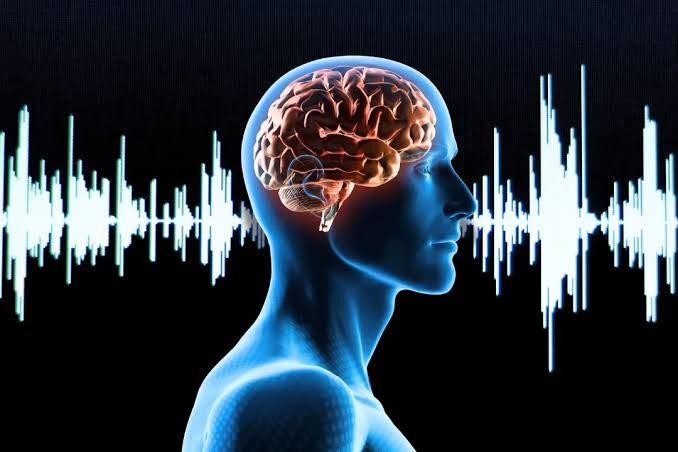
Understanding why certain sounds help people focus requires looking into the mechanics of the human brain. The right soundscape does more than just block out external noise; it actively manages your cognitive load, satisfies your mind’s constant craving for novelty, and helps transition your brain into a state optimized for information processing.
1. The Shielding Principle: Acoustic Masking
The biological primary reason specific audio patterns improve concentration is a process known as acoustic masking. The human auditory system did not evolve to sit comfortably in a quiet room; it evolved over thousands of years as a sensory defense mechanism designed to detect sudden environmental threats.
When your workspace is completely quiet, your auditory cortex automatically turns up its sensitivity. In this hyper-alert state, any sudden sound—a heavy footstep, a closing door, or a phone vibration—triggers an involuntary shift in attention.
This causes attention residue, meaning a piece of your active working memory remains anchored to the interruption, making it significantly harder to get back into the flow of your work.
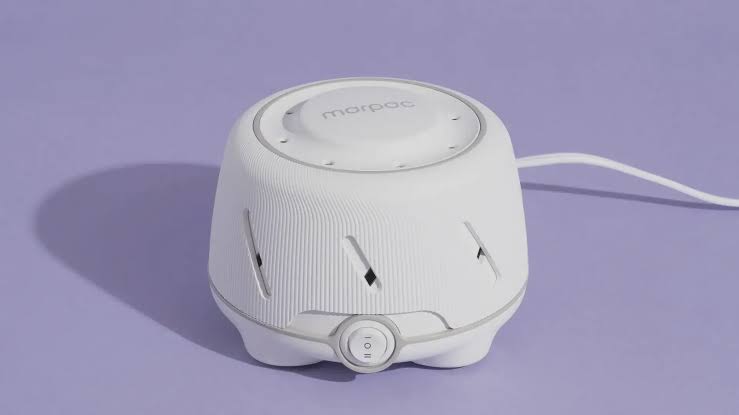
Continuous, uniform sound structures help fix this problem by filling in the acoustic gaps of your room. When a background drone or rhythmic soundscape is active, sudden ambient noises are absorbed into the ongoing audio. Because your brain doesn’t register a sharp sensory contrast, your focus remains completely uninterrupted.
2. Pacing the Mind’s Search for Novelty
The prefrontal cortex—the region of the brain responsible for willpower and task execution—naturally searches for novelty. When you are working on a complex, mentally demanding project, your brain experiences internal resistance. Without an intentional background sound to anchor your attention, your mind will generate its own distractions, driving you to compulsively click open new tabs or browse social feeds.
By introducing a steady, predictable, completely lyric-free audio stream, you satisfy this subconscious need for mild stimulation without overloading your working memory.
This keeps your focus steady. However, the rule remains absolute: the audio must be completely free of human speech. The brain is hardwired to track the meaning of words automatically. The moment lyrics are introduced, your language centers light up to translate them, draining the mental energy needed for your primary work.
3. The Science of Frequency Entrainment
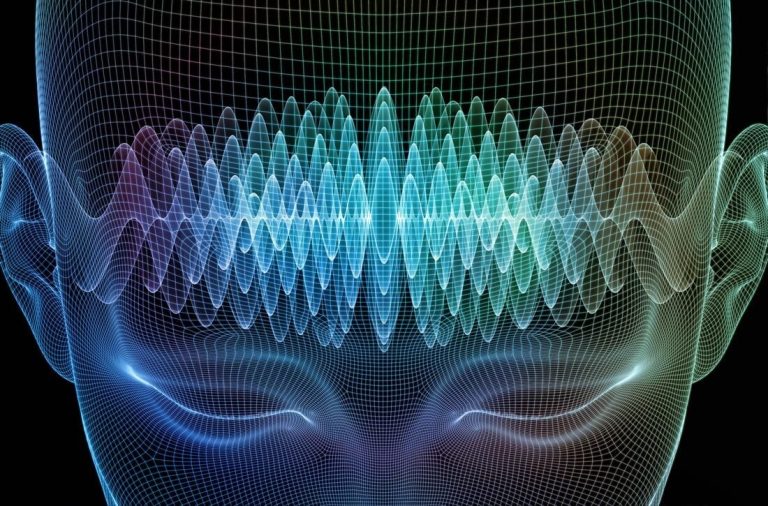
Beyond basic background noise masking, modern neuroscience is actively exploring how specific sound frequencies influence cognitive states. This field of study, known as brainwave entrainment, investigates whether external rhythmic pulses can encourage matching electrical activity inside the brain.
Researchers are particularly interested in the Gamma frequency band (30–100 Hz). In general neurological studies, Gamma activity is frequently examined alongside high-level information processing, complex memory integration, and deep attention thresholds.
Furthermore, laboratory studies often evaluate Gamma patterns in relation to biological factors like Brain-Derived Neurotrophic Factor (BDNF)—a crucial protein that supports neuroplasticity, synaptic function, and healthy communication between neurons.
┌────────────────────────────────────────────────────────────────────────┐
│                        THE BRAINWAVE ENTRAINMENT LOOP                  │
└────────────────────────────────────────────────────────────────────────┘
  [Auditory Input]       ──► Rhythmic Sound Patterns (e.g., Gamma-Inspired)
                                    │
                                    ▼
  [Neurological Target]  ──► Intended to encourage matching brainwave sync
                                    │
                                    ▼
  [Cognitive Window]     ──► Supports calm focus & deep task integration
While general clinical research has explored whether auditory stimulation can influence these frequency bands, evidence remains mixed, and the underlying biological mechanisms are still being actively investigated.
Short-term shifts in brainwave readings vary noticeably between individuals and do not automatically guarantee long-term cognitive improvements.
However, this growing area of research has inspired a shift away from massive, unstructured streaming playlists toward highly optimized, productized listening routines.
Moving Beyond Free Playlists: A Structured Focus Protocol
For many busy knowledge workers, the real bottleneck isn’t the sound itself—it is the administrative drag of managing it. Spending fifteen minutes skipping through generic online tracks, adjusting audio streams, and tweaking playlists introduces visual and digital distraction before you even start your deep work block.
This has led to the rise of structured, time-bound audio routines designed to act as an immediate mental trigger for concentration. Rather than leaving the soundscape completely unguided, these neuroscience-inspired tools pack highly specific frequency structures into strict, compact listening blocks.
If you are interested in moving past free, generic background loops and adopting a structured protocol, a digital wellness product called The Brain Song offers a defined alternative.
Affiliate Disclosure
This independent review contains affiliate links. Focuswell may receive a commission if you purchase through these links, at no additional cost to you.
Rather than serving as background music designed to stream continuously for hours, The Brain Song is positioned explicitly as a 12-minute neuroscience-inspired audio routine. Developed around sound patterns associated with Gamma-frequency research concepts, it is built for professionals and adult learners who want a fast, low-effort daily ritual to prepare their minds for demanding tasks.
The core appeal of this productized digital audio format lies in its simplicity. It requires:
No pills, capsules, or wellness supplements.
No demanding cognitive drills or complicated training techniques.
No long, complex meditation profiles.
It functions essentially as a simple, passive home-based listening routine that you can drop into your schedule immediately before sitting down to read, study, write, or tackle deep business operations.
Value alignment with The Brain Song depends entirely on personal preference. While free alternative frequency tracks exist across open video channels, some users find that a structured, dedicated product with clear instructions and a vendor guarantee makes it much easier to stick to a consistent daily focus routine.
Individual experiences with sound-based tools will always vary based on listening environments and personal audio sensitivity. It is not a medical treatment or a proven cognitive enhancer, but it serves as an intriguing, low-threshold option for anyone looking to build a more intentional, science-informed focus ritual.
Ready to see how a structured 12-minute audio protocol shapes your deep work?
External Source Suggestions
Journal of Cognitive Neuroscience – Auditory Entrainment Studies:
mitpressjournals.org/jocn(To cross-reference clinical trials evaluating frequency stimulation and attention markers).Frontiers in Psychology – Workplace Acoustic Masking Analytics:
frontiersin.org(To verify data tracking how continuous music architectures drop task-switching friction).The Brain Song Official Presentation Architecture:
[thebrainsong.com/presentation](https://thebrainsong.com/presentation)(To verify the vendor’s stated product format boundaries, 12-minute duration constraints, and satisfaction guarantee terms).
Medical Disclaimer
The information in this article is provided for general educational purposes and is not medical advice. The Brain Song is a digital wellness product and is not intended to diagnose, treat, cure, or prevent any medical condition. Individual experiences may vary. Consult a qualified healthcare professional about cognitive or neurological concerns.