Binaural Beats vs Focus Music: Which Audio Triggers Deeper Focus?
Achieving sustained concentration in a modern working environment is rarely just a matter of mental discipline. The spaces where professionals work—whether a noisy open-plan office, a busy coffee shop, or a home workspace filled with domestic sound triggers—are continuously competing for working memory capacity. Every sudden background noise or half-heard conversation pulls at your attention, causing constant task-switching and cognitive fatigue.
To insulate their workspaces, millions of professionals turn to headphones. However, selecting your background audio introduces a core strategic choice: binaural beats vs focus music.
While both options are positioned as effective tools to clear mental noise and improve concentration, they operate on entirely different structural, neurological, and behavioral levels. Choosing the wrong auditory profile can leave you feeling fatigued or provide an insufficient shield against external disruptions.
Here is an objective, science-informed breakdown to help you match your audio routine to your exact cognitive needs.
The Core Auditory Architectural Differences
Understanding the structural differences between these two sound profiles explains why they produce distinctly different mental states during a long deep work session.
-
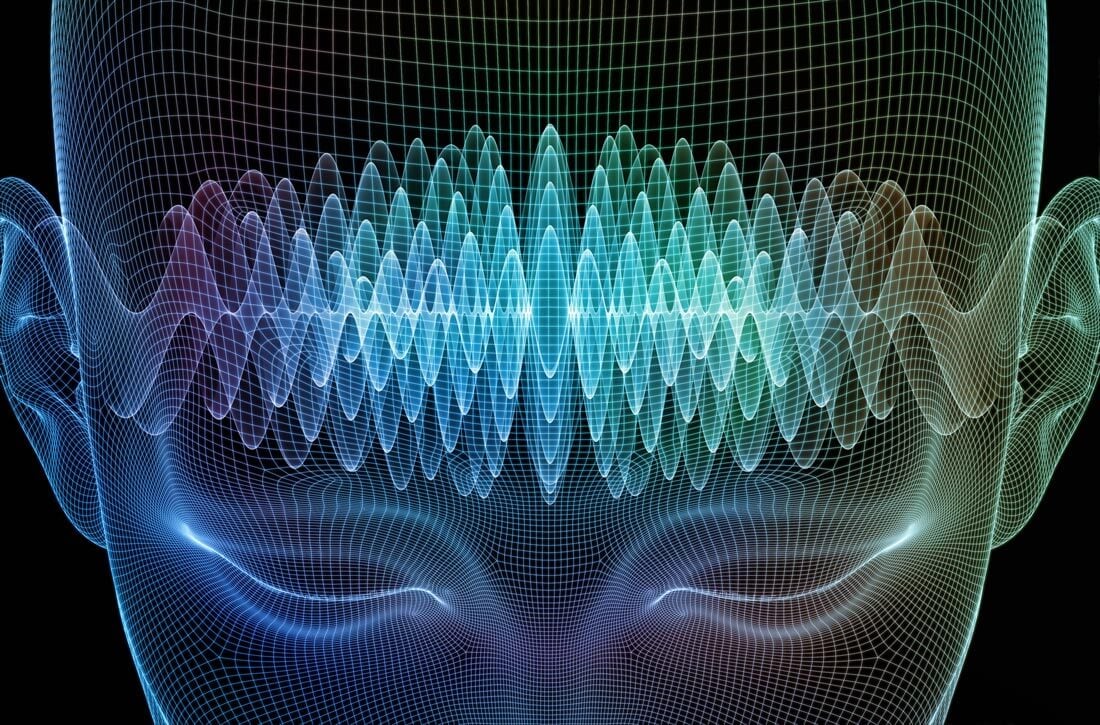
Binaural Beats (Algorithmic Frequency Tones): This is an auditory illusion created entirely by the brain. When you play two slightly different sound frequencies into each ear simultaneously through stereo headphones, your brain processes the physical mathematical difference between them as a third, pulsing tone. For instance, if a 300 Hz tone plays in your left ear and a 310 Hz tone plays in your right ear, you perceive a rhythmic pulsing beat at exactly 10 Hz.
-
Focus Music (Structured Rhythmic Arrangements): This category includes ambient drone arrangements, lo-fi beats, classical compositions, and video game soundtracks. Rather than relying on pure frequency tones, focus music utilizes instrumentation, stable tempos (typically 60 to 90 beats per minute), and predictable chord progressions to build a pleasant, non-distracting background soundscape.
Direct Architectural Comparison
| Operational Metric | Binaural Beats | Focus Music |
| Primary Mechanism | Algorithmic brainwave entrainment | Emotional pacing & sensory masking |
| Hardware Requirement | Strict (Stereo headphones are mandatory) | Low (Works on standard speakers or monitors) |
| Audio Variety | Minimal; consistent low hums or drones | High; strings, electronic textures, lo-fi grids |
| Best Used For | Intense, short analytical tasks | Multi-hour administrative endurance sessions |
| Core Downside | Can cause fast auditory boredom or headaches | Risk of distraction if lyrics or changes occur |
The Underlying Science: Brainwave Entrainment Explained
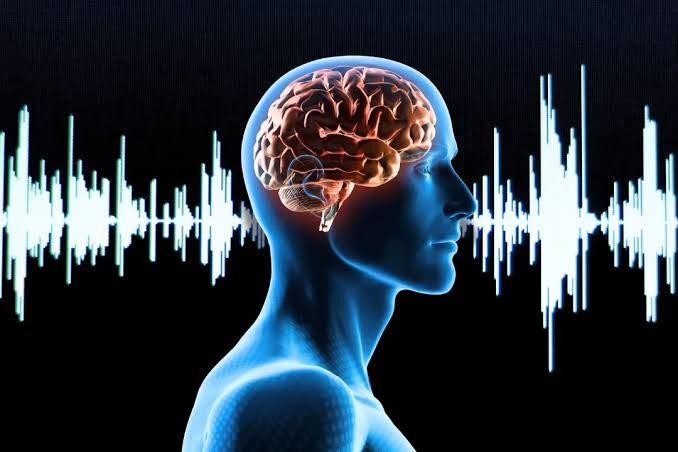
The primary appeal of binaural beats is their connection to brainwave entrainment—the hypothesis that the brain’s internal electrical frequencies naturally sync to external sensory pulses.
┌────────────────────────────────────────────────────────────────────────┐
│                        BINAURAL ILLUSION ENGINE                        │
└────────────────────────────────────────────────────────────────────────┘
  [Left Ear: 300 Hz Tone]  ──┐
                             ├──► [Brain Processing Center] ──► Perceived Beat: 10 Hz
  [Right Ear: 310 Hz Tone] ──┘                                   (Alpha Wave Zone)
Neuroscientists categorize brain activity into distinct frequency zones that reflect different cognitive states:
-
Theta Waves (4–8 Hz): Associated with deep relaxation, dreaming, and creative ideation states.
-
Alpha Waves (8–12 Hz): Linked to a calm, clear state of mind—the ideal zone for low-stress reading and cognitive processing.
-
Beta Waves (12–30 Hz): Associated with active thinking, high analytical processing, and focused problem-solving.
-
Gamma Waves (30–100 Hz): Emerging studies explore links between gamma waves, high-level processing, and memory consolidation, though research remains in early development phases.
Some studies suggest that listening to an alpha or beta frequency beat can help guide the brain into a matching cognitive zone. However, evidence remains mixed. Small-scale laboratory trials show noticeable focus shifts in some users, but large clinical studies indicate that individual experiences vary widely based on baseline attention levels and personal habits. Binaural beats are an excellent tool for many, but they are not a guaranteed cognitive upgrade for everyone.
Focus music, on the other hand, works primarily through sensory masking and emotional regulation. By providing a stable, predictable, lyric-free soundscape, it keeps your brain’s default mode network quiet. It satisfies your mind’s subconscious craving for novelty without demanding active processing power, creating a dependable shield against unexpected background noises.
Tactical Protocol: Building a Sound-Based Focus Routine
To build an efficient sound routine that keeps your workflow smooth, avoid picking tracks at random during your workday. Implement a targeted Two-Tier Sound Architecture tailored to your project goals.
By matching your soundscape directly to the complexity of your work, you transform your headphones into a functional performance tool. Use algorithmic tones to anchor your attention during short, intense deep work blocks, and rely on steady, ambient music arrangements to keep your energy up through long administrative routines.
D. Internal Link Suggestions
-
Suggested anchor text: explore our guide to focus music apps
-
Recommended target article: focuswell.com/best-focus-music-apps
-
Reason for the link: Connects high-intent sound searchers straight to a curated product review page evaluating top-tier focus audio applications.
-
-
Suggested anchor text: white noise vs silence for studying
-
Recommended target article: focuswell.com/white-noise-vs-silence-for-studying
-
Reason for the link: Directs readers to an adjacent category page that evaluates simple acoustic masking options.
-
-
Suggested anchor text: deep work routine
-
Recommended target article: focuswell.com/deep-work-routine-for-beginners
-
Reason for the link: Bridges the choice of auditory tools into a practical behavioral framework for setting up beginner focus blocks.
-
E. External Source Suggestions
-
National Center for Biotechnology Information (NCBI) – Auditory Beat Research:
ncbi.nlm.nih.edu/pmc(To cross-reference clinical studies tracking the efficacy of auditory entrainment on human focus). -
Frontiers in Human Neuroscience – Brainwave Entrainment Logs:
frontiersin.org(To verify neuro-physiological metrics across Alpha, Beta, and Gamma wave intervals). -
Acoustical Society of America – Sensory Masking Principles:
asa.scitation.org(To verify data tracking how ambient sounds override workplace environmental noise).